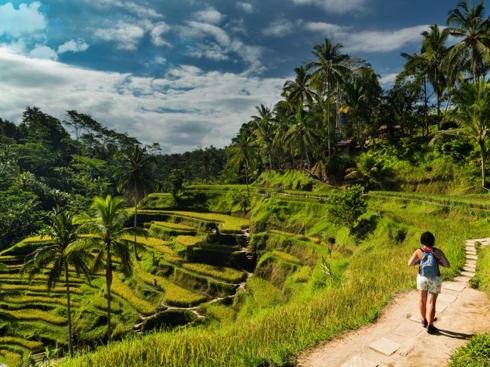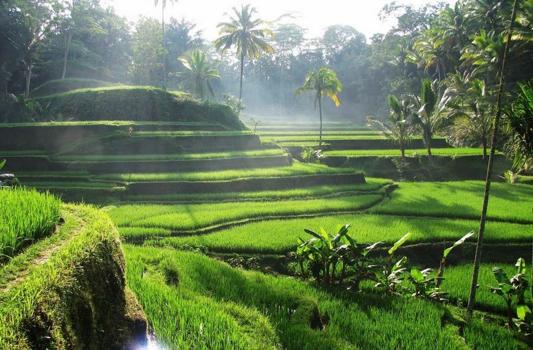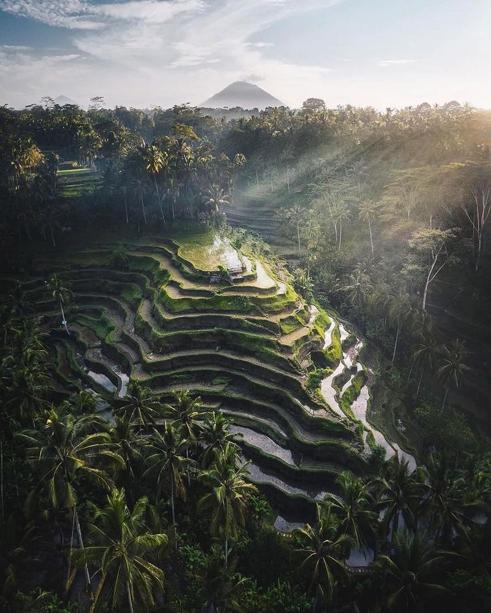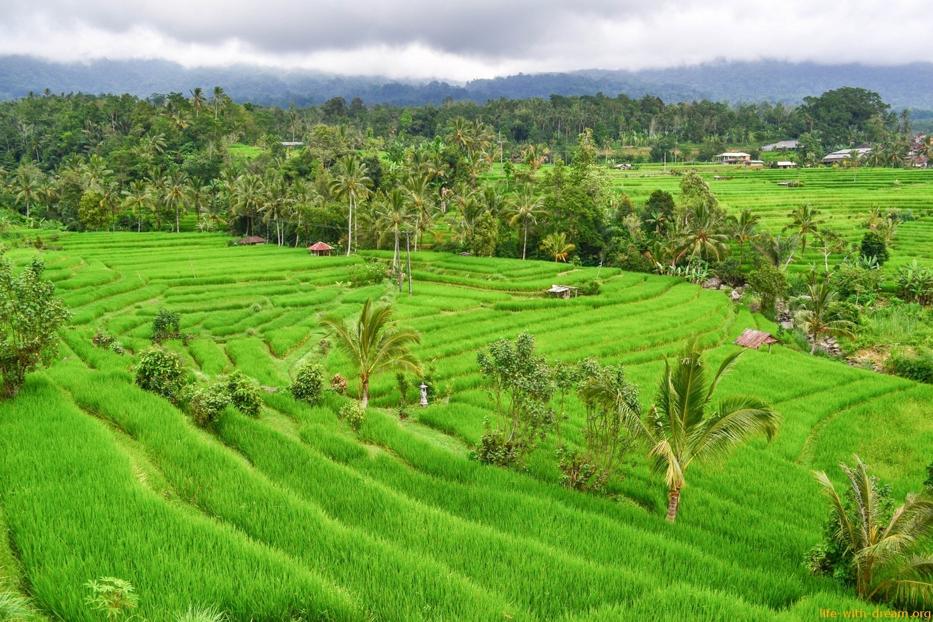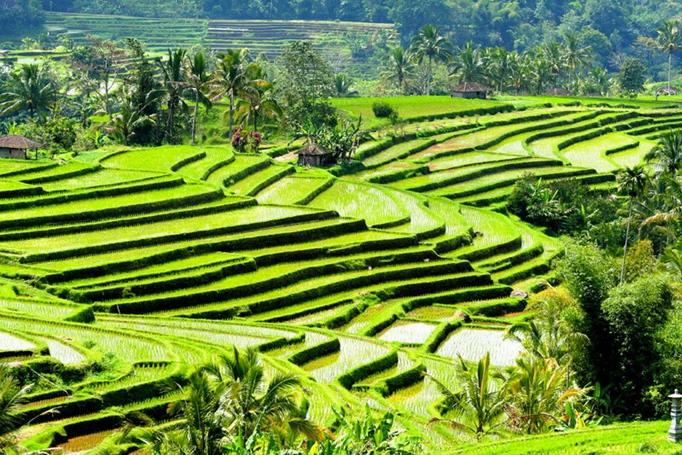
The Tegalalang Rice Terraces are one of the most picturesque and famous places on the island of Bali.
Located in the volcanic lands of central Bali, these terraces not only represent a magnificent example of natural beauty but are also an important part of the island's cultural heritage.
Want to visit this and other places? Contact us - Russian-speaking guides in Bali!
General Description
The Tegalalang Rice Terraces are located approximately 30 kilometers north of Ubud, the cultural and artistic center of Bali.
They are considered one of the symbols of the island and represent a specimen of the traditional Balinese irrigation system "subak", but more on that later.
The terraces themselves serve not only for growing rice but are also an important element of Balinese spirituality and social order.
Moreover, the Tegalalang Rice Terraces are included in the list of UNESCO World Heritage Sites, underscoring their cultural and historical significance not only for Indonesia but for the whole world.
History and Culture
The history of the Tegalalang rice terraces dates back centuries.
The "subak" system that supports the functioning of these terraces has existed for over 1000 years. It is not only an irrigation technology but also a philosophy encompassing balance and harmony between humans, nature, and the spiritual world.
The system is managed by democratic communities of farmers who jointly decide how to distribute water from rivers and lakes for irrigating rice fields.
One can say that this is a manifestation of the concept "Tri Hita Karana", the Balinese notion of three sources of well-being, which include harmony among people, with the environment, and with God.
Therefore, rice fields for the Balinese are not only a source of food but also a place where everyday life and spirituality meet.
Nature and Landscape
The Tegalalang Rice Terraces are a symbiosis of human labor and natural splendor.
The terraces are arranged to create endless waves of green embracing the hillsides. Depending on the season, the color of the terraces varies from bright green during rice growth to golden during harvest, creating unique, changing landscapes throughout the year that attract photographers and nature lovers.
The landscape in this area is very picturesque. Besides the rice terraces themselves, on the horizon you can see lush tropical forests and volcanic mountains.
The terraces are not only beautiful but also functional. They are designed to use water and soil with maximum efficiency, making them eco-friendly.
One of the most famous viewpoints is "Tegalalang Rice Terrace" on the main road, which offers incredible views. However, to see more authentic and less touristy sections, it is worth stepping a little deeper away from the main roads, where even more breathtaking views open up with silence and tranquility.
How to Get There
When to Visit?
Entrance Fee
Entrance usually costs a small fee (about 10,000 Indonesian rupiah, approximately 0.7 USD), and these funds are used to maintain the area in good condition.
Entertainment and Leisure
- There are several viewpoints, cafes, and small restaurants with views of the terraces where you can have a snack and enjoy the views.
- You can talk to local farmers and gain a deeper understanding of their rice cultivation techniques.
- You can walk along narrow paths between the terraces
- And of course, take many unforgettable photographs!
What's Nearby?
Tourists often combine a visit to the Tegalalang terraces with a trip to Ubud village or other nearby attractions - Tirta Empul Temple or the Sacred Monkey Forest.
Conclusion
The Tegalalang Rice Terraces are an incredible example of how humans can create amazing landscapes while harmoniously fitting into nature.
They are not only a symbol of Balinese agriculture and culture but also an integral part of human heritage.
Visiting these terraces gives an unforgettable experience – here you can enjoy tranquility, beauty, and learn a lot about the traditional life of the Balinese.
If you are planning a trip to Bali, be sure to include the Tegalalang Rice Terraces in your itinerary!